A year ago, I switched to using a bicycle as my primary transportation. The transition was motivated by a desire to reduce my impact on the environment, reduce costs, and get more exercise. In the year since, that decision has become a life-changing commitment. Now that my partner and I share one vehicle (which I rarely use), we have saved hundreds of dollars on gas, maintenance, and insurance. I have become fitter and can bike most places without feeling winded or becoming too sweaty. Most importantly, I am having a blast. I had not realized how stressed out driving made me feel until I stopped doing it. Now, instead of sitting in traffic or yelling at someone running a red light, I ride along in the bike lane, breezing past traffic while decompressing through exercise.
Although the switch to cycling has been overwhelmingly positive, there have been downsides. I have had my fair share of bad weather; especially those single-digit days when I had to commute to work. I have also dealt with my fair share of impatient drivers and men in lifted diesel trucks who felt the need to yell at me. Those downsides did not last long, and I quickly learned how to dress appropriately and avoid the more irate drivers. However, the most surprising lesson to come from cycling is realizing just how car dependent America is, and how that impacts my ability to access the outdoors.
Consequences of Car Dependency

Car dependency is a systemic issue created by infrastructure that prioritizes automobiles and and discourages alternative forms of transportation. As a result, people in car-dependent areas rely on access to a vehicle for everyday activities, such as grocery shopping, going to work, and seeing a doctor.
This system that promotes being reliant on cars has multiple drawbacks. For instance, it is discriminatory toward different ages, abilities, and economic statuses. People are legally not allowed to drive until they are 15 to 18 years old, so people under that age limit are forced to either rely on their social network for rides, or brave often dangerous roads on foot. On the other end, elderly people may experience health decline from social isolation and missed doctor appointments due to poor transportation options. Apart from age, car dependency discriminates against folks who cannot drive due to conditions such as epilepsy and blindness. It is also cost-prohibitive and excludes people who do not have the economic means for car ownership. The average cost of owning a car, excluding car payments, is nearly $7,000 a year—a burden too much to bear for many.
Over reliance on cars also harms the environment. The average passenger car produces 4.6 metric tons of CO2 per year. The Intergovernmental Panel on Climate Change estimates that the transport sector produces 23% of global greenhouse gases, 70% of which come from cars. Even if everyone were to switch to electric vehicles, there would still be immense environmental impacts from the mineral extraction necessary to manufacture batteries. Even attempts to achieve better fuel mileages utilize plastic components to reduce weight, which contribute significant amounts of microplastics pollution. Although reducing the carbon footprint of the transportation sector is a laudable and worthy goal, the solution to our current environmental problems will not involve simply building more cars.
Lastly, car dependency has serious consequences for public health and safety. Cars lead to direct deaths through violence, and contribute to indirect mortality through pollution and encouraging sedentary lifestyles. In 2024, an estimated 47,750 traffic fatalities occurred in the U.S. alone. Untold amounts of additional lives are put at increased risk of heart and lung disease due to particulate matter pollution from exhaust pipes. Sitting behind a wheel instead of walking or biking also increases the likelihood of ailments associated with inactive lifestyles, such as cardiovascular disease.
When I am on my bike—legs pumping, wind rushing through my hair, and my heart beating in my chest—I do not worry about much. I am focused on the moment. The only worry I have in the back of mind is that someone in a car will either kill or injure me. That someone will decide saving a few seconds on their morning commute is worth more than my life. I worry that I will be another victim of the built environment. Freedom of movement without fear is the core motivation for many of us who wish to see an end to car dependency.
Origins of Car Dependency in America
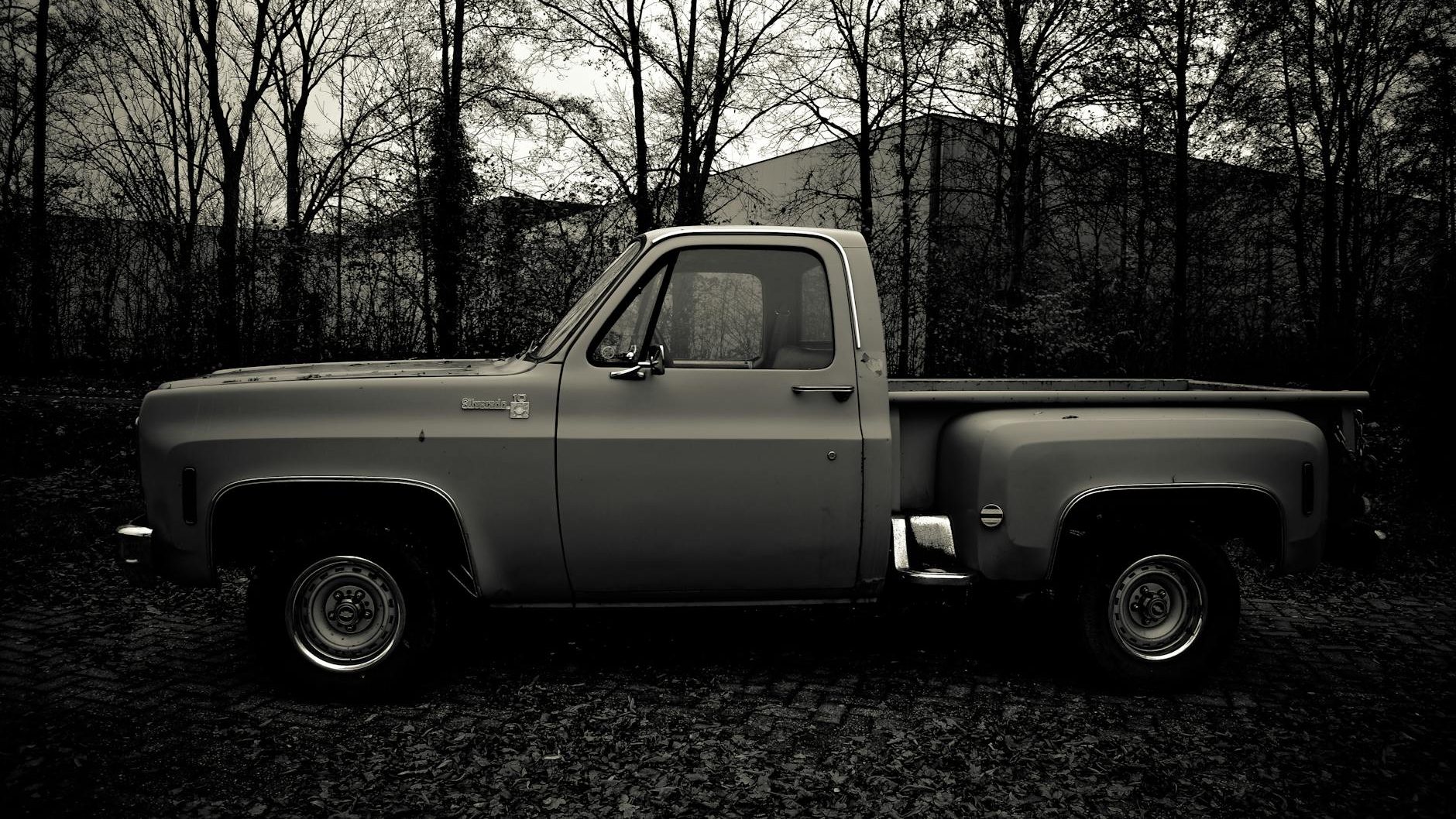
If car dependency is demonstrably negative in many ways, then why did America prioritize cars as the dominant transport means? The answer lies in a series of events that started in the early 20th century. As cars became more available and affordable, special interest groups sought to change the traditional American street, one primarily occupied by pedestrians and horse-drawn carriages, into an artery for cars. These groups, known as “motordom”, lobbied legislatures, supported traffic codes that favored automobiles, and attempted to sway public opinion. This concentrated effort, with the financial backing of car manufacturers and paving companies, ultimately won the battle against most American’s desire to keep streets for pedestrians.
Additional factors in the mid 20th century helped ingrain car dependency into the fabric of American society. After the Second World War, many Americans moved out of the city into the suburbs. This, coupled with cheaper vehicles, led to skyrocketing levels of American car ownership. It simply made more sense to drive a vehicle in areas with lower population density, and that still holds true for today. The Federal-Aid Highway Act of 1956 solidified America’s commitment to the automobile. This project built nearly 43,000 miles of interstate highways across America, and carried a hefty price tag of $128.9 billion. This equates to about $3 million per mile of highway.
Early attempts at establishing Wilderness Areas in the United States partly arose as a result of automobile ubiquity. Robert Marshall states in “The Problem of the Wilderness”:
“It is undeniable that the automobilist has more roads than he can cover in a lifetime. There are upward of 3,000,000 miles of public highways in the United States, traversing many of the finest scenic features in the nation. Nor would the votaries of the wilderness object to the construction of as many more miles in the vicinity of the old roads, where they would not be molesting the few remaining vestiges of the primeval. But when the motorists also demand for their particular diversion the insignificant wilderness residue, it makes even a Midas appear philanthropic.”
Aldo Leopold had similar thoughts in “A Sand County Almanac”1:
“…motorized transport has nearly destroyed the sport of wilderness travel by leaving only fly-specks of wilderness to travel in.”
Although increased vehicle access made outdoor recreation accessible to more people, it is obvious that many prominent activists were concerned with an excess of roads. Roads inevitably bring the aspects of modern life that recreationists seek to avoid: mechanical noise, large crowds, pollution, and asphalt, to name a few. We are lucky that activists before us won the battle for wilderness, and we now have over 110 million acres to enjoy, car free.
Recreating Outdoors without a Car
The Marshalls and Leopolds of the past may have won their respective battles, but the war for access to untainted nature is still ongoing. Much of America’s natural resources have been divided into small parcels of land by 30 foot wide asphalt strips. The Wilderness may be traversable by foot, but the way to get there sure isn’t. For those of us who want to recreate without having to hop in a car to do so, what options do we have, and how do we make the outdoors accessible to alternative means of transportation?
Stay Closer to Home
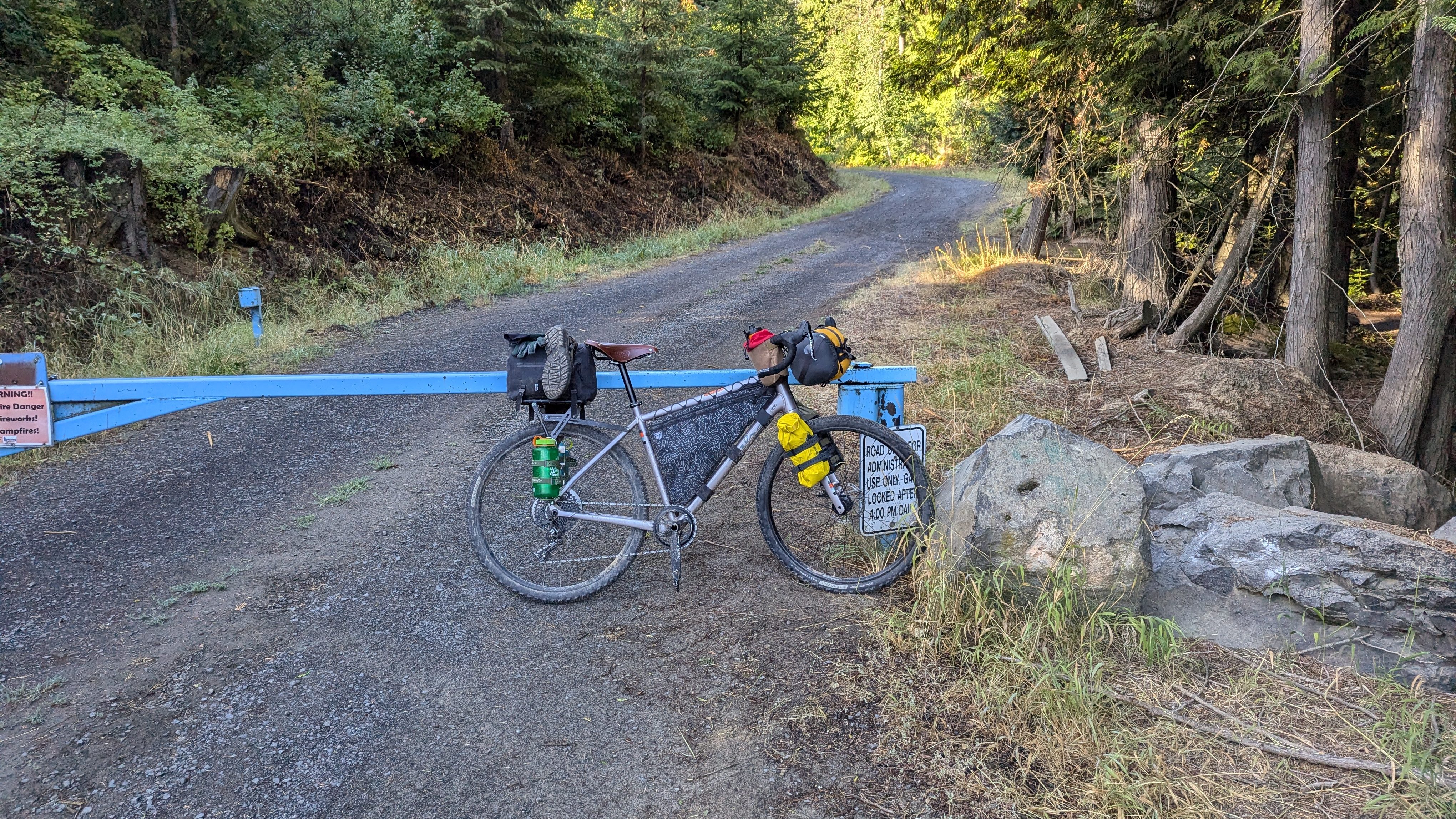
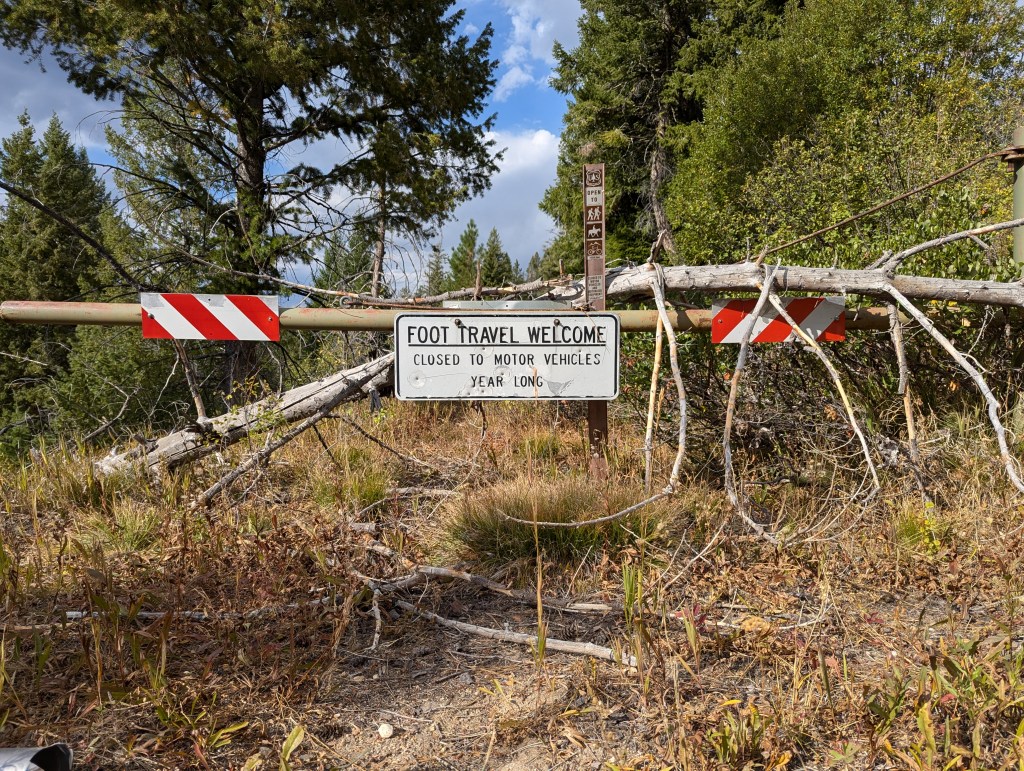
When I started cycling instead of driving, I quickly realized I would have to stick a lot closer to home if I wanted to use the bike for camping. In the area I live, this proved to be a little tricky due to some pretty extreme topography. However, I quickly found this constraint forced me to find great local spots, and gave me an excuse to extend my trips so I did not have to bike as many miles a day. Without a car, trips became more about the journey and enjoying the scenery on the way to the destination. It also made for some great stories, like getting caught in a thunderstorm on an old mountain road and having to spend the night in the nearby woods. Another added benefit was accessing roads that were not open to cars, such as those that had been decommissioned or were only open to ATV and motorcycles.
For those interested in going this route, I have a couple recommendations. First, invest in quality gear. Depending on your route and the conditions, you can successfully bike pack with a solid, used mountain bike frame and entry-level components. For difficult terrain and rough conditions, I recommend looking into better components and higher end materials. A comfortable and dependable bike can make the difference between having a great trip versus a disastrous one.
Second, plan your route beforehand and do not push yourself. Cycling, especially with a loaded up bike, is hard work. Even if you are a seasoned cyclist who eats hills for breakfast, take it easy for your first trip to get acclimated to how the bike handles and responds with additional weight. I use a couple different map and route planning apps to research my trips beforehand. Most of these apps allow you to look at gradients, average elevation gains, and more. Stick to modest gradients and break your route into multiple days to make the mileage manageable. Plan your route to avoid major highways or other hostile environments. Research stops along the way that will allow you to restock on food and water, reducing the weight you have to carry and thereby making the trip more enjoyable. Plus, few things are more enjoyable than riding down a mountain in the morning and stopping at a roadside café for some real food and crappy coffee.
Use Your Social Circle
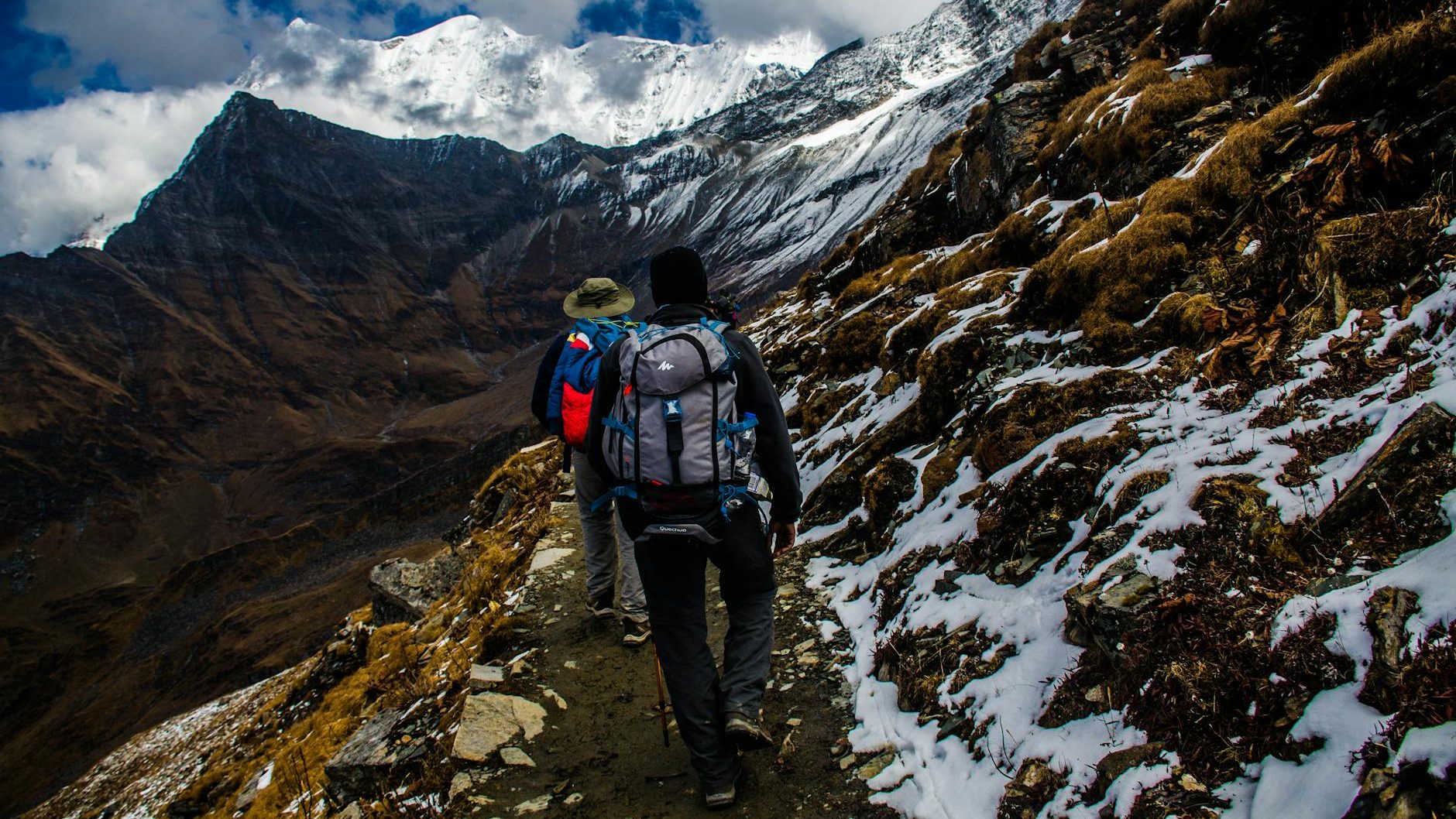
For many of us, biking may not be an option. Cycling may be too daunting, the destination only accessible via highways, or simply too far away to realistically reach on a bike. If this is the case, a car is often the preferred solution. The best compromise in these situations is to buddy up or have someone drop you off. My recommendation is to plan ahead of time and ensure that your friend has to do as little work as possible. Because they are doing you a favor, make sure you thank them or involve them in your plans. Invite them along and have a rewarding adventure with a pal. If they agree to dropping you off for a solo adventure, make sure you pay for gas and buy them a six pack and dinner. The upside to having someone drop you off is you can be picked up at a different location, giving you more flexibility with your backpacking or hiking route.
Another option when friends are not available is to use a rideshare service, rent a car, or hitchhike. I have never done these options, so my recommendations are limited. Make sure you nail down a return pickup before you get to the trailhead and potentially lose service. My partner has hitchhiked before when her car broke down, and you would be surprised how nice and helpful strangers can be to those in need. If you choose to hitchhike, be careful and make sure your loved ones know where you are!
Advocate for Better Infrastructure
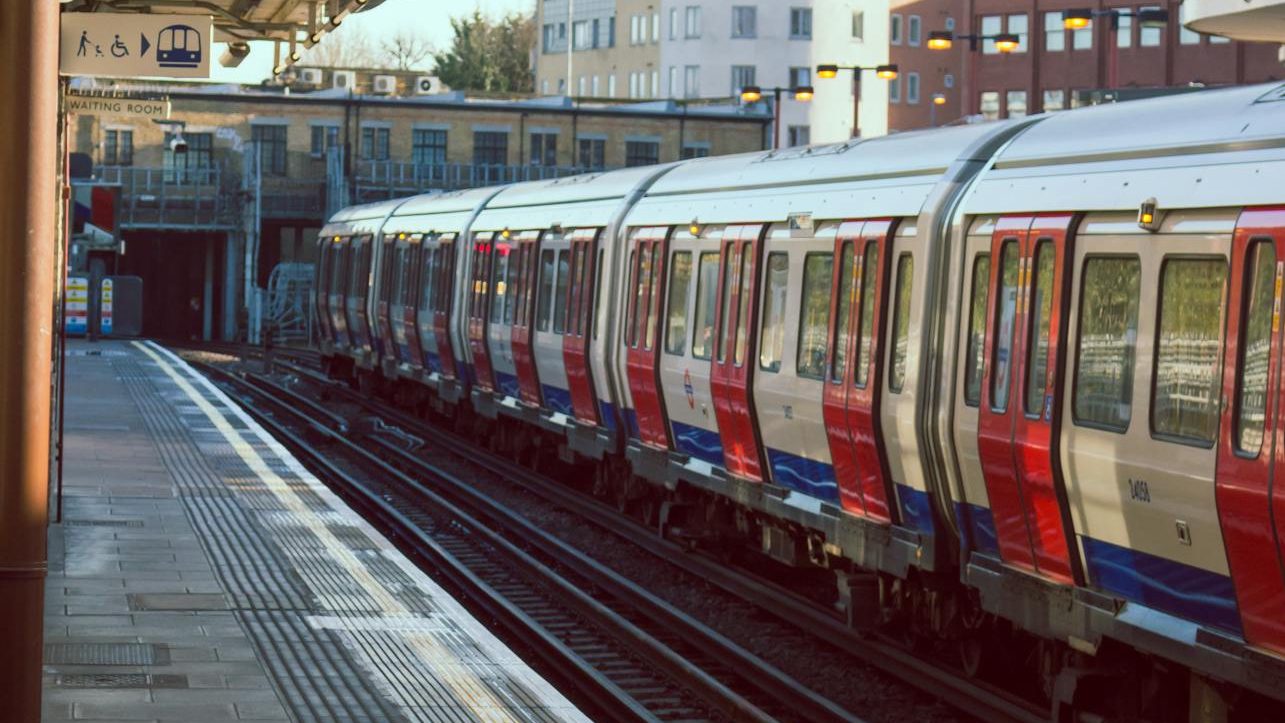
The above recommendations apply if you have a trip in mind for the near future. However, part of being a responsible outdoor recreationist is advocating for the long-term accessibility and sustainability of our nation’s natural resources. The solution to cutting down on America’s car dependency is building alternative infrastructure. To do so requires people putting pressure on politicians, administrations, and corporations. We have a surprising amount of car-free infrastructure in the U.S. that does not have the support it needs to run efficiently or up to the standards of modern transit. Amtrak already has several lines that run in the vicinity of National Parks, but an outdated system with inadequate funding limits service potential and dependability. American rail has the potential to create radical change in how people move across this country; it just needs support and financial backing. If America can invest billions of dollars over several decades to build car infrastructure, we can do the same for rail.
The good news is, rail investments are starting to happen all over the country. California has invested a large chunk of money into building high-speed rail, and Florida currently runs high-speed trains between Orlando and Miami. My experience using similar transit systems to access hiking spots in Europe showed me how amazing rail can be for recreationists. Being able to eat snacks and snooze on a train after a long hike, instead of driving tired and hungry, is a luxury I never knew I needed. This is a luxury that should be available in a country as wealthy as America—we just need to demand it.
Over-reliance on cars in the United States has had detrimental effects on the environment and public health, while disproportionately effecting certain age groups and people with conditions that prevent them from driving. Special interest groups influencing early legislation and traffic ordinances, combined with low density suburbia, led to car dependency being ingrained in the American way-of-life. Those of us wanting to opt out of this car-centric system find ourselves constantly running into accessibility issues, especially when it comes to the outdoors. As a solution, I recommend utilizing alternative means of transportation, such as cycling. If a car is the most practical option for a given situation, joining a friend or using a rideshare is the preferable compromise. However, maintaining long-term, sustainable access to the outdoors requires advocating for better car alternatives. I have linked some helpful advocacy resources below, and I encourage those interested to get involved in their local communities. Talk to your friends, family, and coworkers. Lead by example and use alternative transportation. You would be surprised how simply riding a bike can spark meaningful conversations.
Resources:
https://www.apta.com/advocacy-legislation-policy/advocacy/resource-materials/
- Leopold, A. (1949). A Sand County Almanac. Oxford University Press, Inc. ↩︎

 Kian Speck
Leave a comment